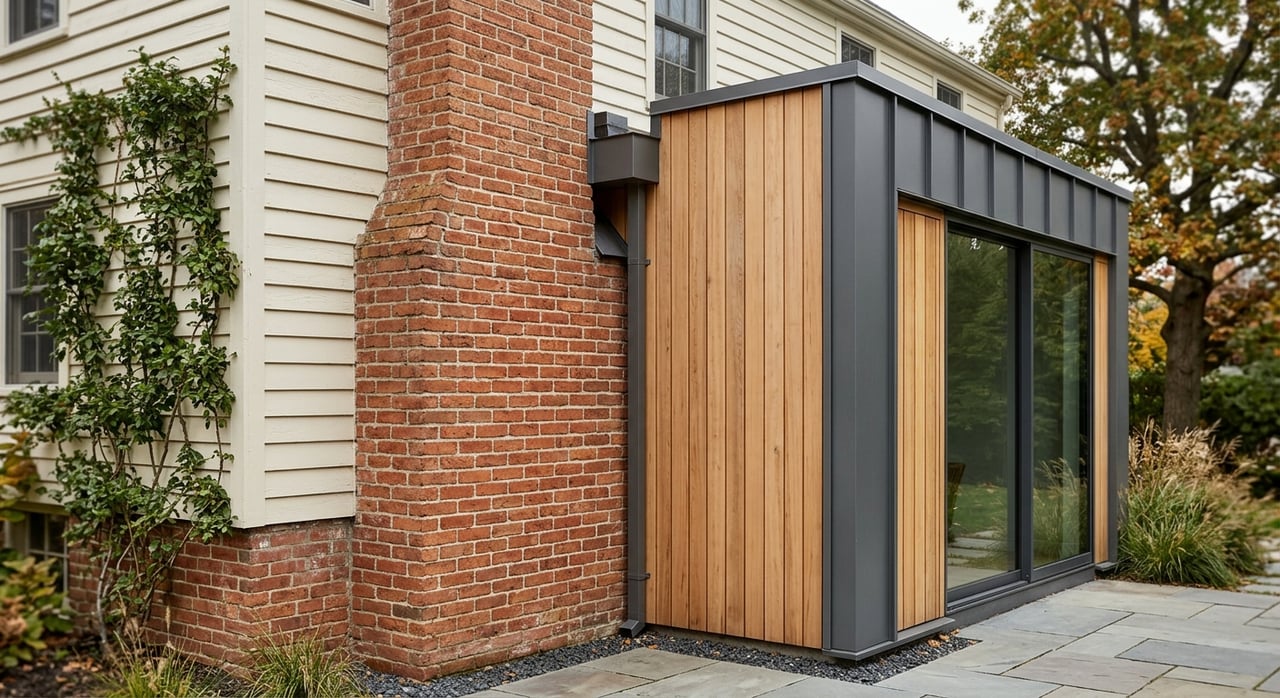
If you are moving up in Helena, you may be weighing two very different paths: a historic home with character near the city’s older core, or a newer home with a more modern build and a simpler maintenance outlook. It is a common choice here for a reason. Helena has a meaningful share of older housing, along with newer construction on the city’s north and southeast edges, so your next move may come down to how you want to live day to day. This guide will help you compare the tradeoffs, ask sharper questions, and choose with more confidence. Let’s dive in.
Why this choice matters in Helena
Helena has a housing mix that makes the historic-versus-newer question especially relevant for move-up buyers. A 2025 draft Helena land-use plan says 21.9% of homes were built in 1939 or earlier, while 42.5% were built from 1960 to 1999.
That means you are not choosing between a tiny niche and the mainstream market. You are comparing two real segments of Helena’s housing stock, often with very different ownership experiences. The same report also notes that newer construction has been trending toward the north and southeast edges of the city.
For many buyers, price also shapes the decision. Census Reporter’s ACS-based profile for Helena shows a median value of owner-occupied homes of $387,300, which helps explain why move-up buyers often look carefully at value, condition, and future costs as they search for more space or a better fit.
What historic Helena homes offer
Historic homes in Helena often stand out for one simple reason: they feel like Helena. The city has 12 designated historic districts and 42 individually listed National Register properties, and that gives buyers access to a large amount of older housing with visible architectural character and a strong sense of place.
In and around the historic core, you may find older architecture, central streets, and a more established street pattern than you would in newer growth areas. Helena’s housing policy notes that older homes are commonly concentrated in central parts of town and on smaller lots near downtown. If walkability to central areas, older architecture, and neighborhood fabric matter to you, that can be a real advantage.
The city’s planning documents also help explain why these homes feel different. The downtown plan describes the historic core around Last Chance Gulch and the Walking Mall as an area shaped by late-19th-century architecture and continuous street fronts, while the Great Northern area reflects more recent mixed-use development. That contrast is part of what many move-up buyers are responding to when they compare options.
Historic-home advantages
Historic homes in Helena often appeal to buyers who want:
- Distinctive architecture and original design details
- A more central location near older parts of town
- Smaller lots with proximity to downtown amenities
- A stronger sense of local history and place
If your next home is about lifestyle as much as square footage, those qualities can matter just as much as the floor plan.
What historic homes may require
Character is real, but so is upkeep. Helena’s housing policy points out that older homes more often come with deferred maintenance, weaker weatherization, fewer accessibility features, and higher costs to bring systems up to newer standards.
That does not mean a historic home is the wrong choice. It means you should go in with a clearer budget and a more practical timeline for improvements. For many move-up buyers, the real question is not whether an older home needs work, but whether you are comfortable taking that work on.
Energy performance is one of the biggest differences. The U.S. Department of Energy explains that many older homes have less insulation than homes built today, and recommends steps like home energy assessments, blower-door testing, air sealing, and additional insulation to identify where a home is losing energy.
That advice matters in Helena. If you buy an older home, it is smart to plan for inspection and upgrade dollars tied to insulation, air sealing, and comfort improvements. The DOE also notes that detecting air leaks is a common first step in improving comfort and lowering energy use in existing homes.
Historic-district review matters
If the home is in a historic district or is otherwise recognized as a historic property, exterior projects may involve more review than you would see with a typical newer home. Helena maintains historic-neighborhood and downtown design guidelines, along with a demolition review process.
That oversight is not automatically a drawback, but it does add process. If you already know you want to make major exterior changes, it is worth understanding that review path before you write an offer.
What newer Helena homes offer
Newer homes usually appeal to move-up buyers who want more predictability. In practical terms, that often means a stronger energy-efficiency starting point, fewer immediate repair projects, and less uncertainty around major systems in the first few years of ownership.
Montana DEQ says the statewide energy code governs new residential buildings, additions, repairs, and renovations. DEQ also notes that it is cheaper and easier to build efficiency into a house during construction than to retrofit it later.
That is a big reason newer homes can feel easier to own. While no home is maintenance-free, newer construction generally starts with a better efficiency baseline than older homes. For buyers moving up because they want more comfort and less project management, that can be a strong selling point.
Location also plays a role. Helena’s draft land-use plan says new construction has been moving toward the edges of the city rather than the historic core. So when you choose newer, you are often choosing not just a different house, but also a different setting and neighborhood pattern.
Newer-home advantages
Newer homes in Helena often make sense if you want:
- A more modern energy baseline
- Fewer immediate retrofit needs
- A more predictable maintenance profile
- Less concern about older materials and systems
For many busy households, that predictability is worth a lot.
Utility lines and hidden costs
For move-up buyers comparing old and new, the house itself is only part of the story. In Helena, utility infrastructure can matter just as much.
The City of Helena says the average service line in the city is 49 years old, and that many older lines are clay. The city also notes that some older lines are not buried to today’s required depth, which makes them more vulnerable to winter freezing. You can review those details, along with the city’s 0% Service Line Replacement Loan program, which offers up to $15,000 for eligible residential water or sewer line repairs.
This is one of the most important practical questions to ask when considering an older home. A beautiful historic property may still come with aging infrastructure below ground, and that can affect your budget in a way that does not show up in listing photos.
How to decide what fits you best
For most Helena move-up buyers, this is not really a debate about which category is better. It is a decision about which tradeoffs fit your goals, budget, and tolerance for future projects.
A historic home may fit you best if you value architecture, central location, and the texture of Helena’s older neighborhoods, and you are comfortable planning for weatherization, maintenance, and possible design review. A newer home may fit better if you want a cleaner maintenance picture, a stronger built-in efficiency baseline, and fewer surprise projects after closing.
Here is a simple way to think about it:
| If you value... | Historic home may fit | Newer home may fit |
|---|---|---|
| Character and architecture | Yes | Sometimes less so |
| Central location | Often | Less often |
| Energy efficiency from day one | Sometimes with upgrades | Often |
| Predictable upkeep | Less often | More often |
| Fewer remodel restrictions | Less often | More often |
Neither path is wrong. The right choice is the one that matches how you want to spend your time, money, and energy after move-in.
Questions to ask before you offer
Before you write an offer on either type of home, it helps to get specific. These questions can help you compare properties more clearly:
- Is the home inside a historic district or individually listed, and what exterior changes may be reviewed?
- How old is the service line, and is there any history of freezing or prior repair?
- Is there documentation for energy-code compliance, insulation, or other efficiency upgrades?
- If you plan to remodel, how much of that work may trigger design review or preservation-related approvals?
There is one more nuance worth noting. According to a Montana DEQ residential energy code summary, some historic buildings may be exempt from the statewide energy code if they are eligible for listing in the National Register of Historic Places. That can affect how upgrades, additions, or remodel plans are approached.
A balanced Helena move-up strategy
If you love Helena’s historic housing, you do not have to rule it out because of efficiency concerns. A historic home can often be improved with a careful strategy focused on air sealing, insulation, and planning upgrades in the right order. The process may simply require more patience than buying newer.
If you prefer a newer home, that does not mean you are giving up on quality or long-term value. You may be choosing a home that better fits your current season of life, especially if you want less maintenance and a more predictable ownership experience from the start.
The key is to look beyond finishes and square footage. In Helena, the smarter comparison is usually character and centrality versus efficiency and predictability.
If you want help thinking through that tradeoff and narrowing your options with a practical, local lens, Blayne Larson is here to help you make a confident move.
FAQs
What makes historic homes in Helena appealing to move-up buyers?
- Historic Helena homes often offer distinctive architecture, a more central location, and a stronger connection to the city’s older neighborhood fabric.
What are the main drawbacks of older homes in Helena?
- Older homes may come with deferred maintenance, weaker weatherization, fewer accessibility features, and higher costs to update systems to newer standards.
Are newer homes in Helena more energy efficient?
- Newer homes usually start with a better energy-efficiency baseline because new residential construction must follow Montana’s statewide energy code.
Can a historic Helena home be made more efficient?
- Yes. Common starting points include finding air leaks, improving air sealing, and adding insulation where appropriate, though the process may require more planning than in a newer home.
Do historic districts in Helena affect remodeling plans?
- Yes. If a home is in a historic district or has historic status, some exterior changes may be subject to local design guidelines or review.
What infrastructure issue should buyers ask about in older Helena homes?
- Ask about the age and condition of the water or sewer service line, since older lines in Helena can be more vulnerable to freezing and repair needs.