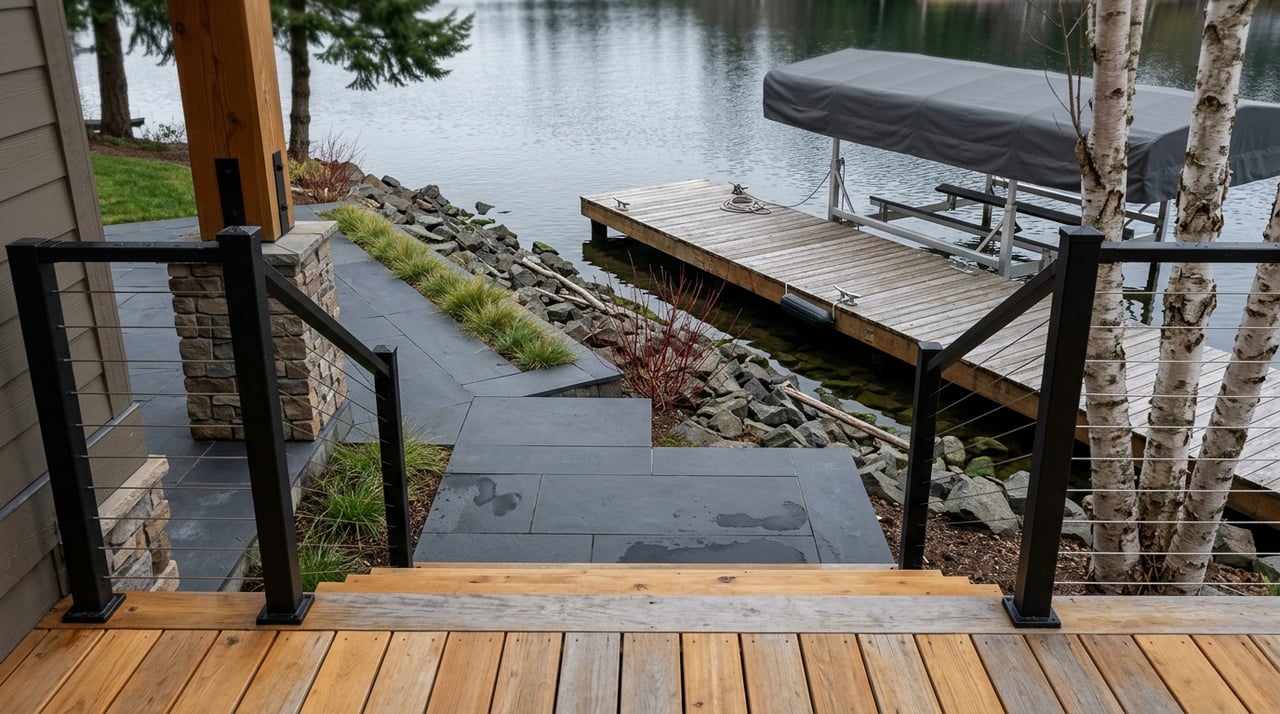
If your picture of lakefront living includes stepping from your yard to your boat, Polson deserves a closer look. Life on the south end of Flathead Lake can be beautiful and practical, but it also comes with real shoreline rules, seasonal lake changes, and permit questions that matter before you buy. When you understand how docks, access, and boating actually work here, you can shop with more confidence and fewer surprises. Let’s dive in.
Why Polson appeals to boaters
Polson sits at the south end of Flathead Lake and at the headwater of the Flathead River. The city also notes that it is entirely within the Flathead Indian Reservation boundary, which is an important part of how shoreline use and property due diligence work in this market.
Flathead Lake is a major draw for buyers who want a true boating lifestyle. Montana Fish, Wildlife & Parks says the lake covers about 191 square miles and has roughly 160 miles of shoreline, making it the largest natural freshwater lake in the western United States.
Polson’s climate also helps explain the rhythm of lake life. The city’s community profile lists a July average maximum of 82.2 degrees, a January minimum of 19.4 degrees, and 15.32 inches of annual precipitation, so boating here tends to be a strong seasonal activity rather than a year-round routine.
How the boating season really works
One of the biggest things to understand about Polson lakefront living is that boating season is shaped by more than summer weather. Lake elevation changes over time, and those shifts can affect dock usability, shoreline access, and how easily you can launch or tie up a boat.
Energy Keepers, which operates the SKQ Project near Polson, says Flathead Lake elevation depends on inflows, weather, electricity demand, downstream fishery needs, and flood-risk management. Its lake data also notes that the lake typically fills toward full pool in late spring and that shoreline work should be completed before runoff accelerates.
That matters because a dock that works well at one point in the season may feel different later on. In practical terms, your boating experience can depend on lake level, dock design, water depth, and how the shoreline handles spring runoff or late-summer drawdown.
Finley Point State Park offers a useful local example. Located about 12 miles north of Polson, it reports seasonal water access from mid-May through September, while the dock is typically usable only when lake levels are high enough, usually from mid-June to early September.
Why dock details matter in Polson
In many lake markets, buyers see a dock and assume the hard part is done. In Polson, the better question is whether the dock is usable, permitted, and aligned with current shoreline standards.
Polson’s development code treats land within 50 feet of the high-water line as a shoreline buffer. The code allows boat ramps, piers, docks, and observation decks only if they disturb no more than 10 percent or 24 feet, whichever is less, of the lot or parcel’s lake frontage.
The same code says these improvements must comply with tribal, state, and federal shoreline and wetlands standards. The city also maintains a Lakeshore Construction Permit process, which is a key due diligence item for buyers evaluating existing improvements or future plans.
On the south half of Flathead Lake, the Confederated Salish and Kootenai Tribes Shoreline Protection program regulates riparian structures. Its materials indicate that docks are expected to be open or partially open, limit the solid portion extending waterward to 20 feet, cap dock deck width at 8 feet, and provide a process for shared or joint-use structures.
That means a boating-friendly property is not just about having frontage. It is also about whether the parcel has enough frontage, enough depth, and the right permitting path to support the kind of dock or access you want.
Questions to ask about a lakefront dock
When you tour Polson lakefront property, it helps to go beyond the marketing photos. A few practical questions can tell you far more about day-to-day usability.
- Is the existing dock permitted under current shoreline rules?
- Does the parcel have enough frontage for the dock setup you want?
- How does access change when lake levels rise or drop?
- Is the dock design suited to seasonal water conditions?
- Will any future changes require city or tribal shoreline review?
- Is shared dock use an option if the parcel has limits?
These questions can help you separate a scenic shoreline from a shoreline that truly supports your boating goals. They are especially important for second-home buyers who may be less familiar with local regulations and seasonal conditions.
Understanding shoreline jurisdiction
Jurisdiction matters in Polson. Because the city is within the Flathead Indian Reservation boundary, buyers should not assume shoreline review works the same way it might on another Montana lake.
The city’s own waterfront example at Salish Point shows how responsibilities can differ by location. Under a 2026 agreement, the City of Polson maintains the area above the high-water mark, while CSKT maintains the area below it, including the fishing pier, boat slips, swimming docks, and boat launch.
For a private buyer, that does not mean every property follows the exact same arrangement. It does show why it is smart to confirm whether a property falls under city review, tribal shoreline review, or another layer of oversight before making assumptions about construction, dock changes, or shoreline use.
Public access supports the lifestyle
Not every buyer needs a long private shoreline to enjoy boating in Polson. Public access points, parks, and launch areas can still support a strong lake lifestyle, especially if a property has limited frontage or if you plan to mix private waterfront living with public lake access.
Polson’s parks department says its waterfront parks are used for swimming, fishing, and boating. Montana Fish, Wildlife & Parks also shows that Flathead Lake has a strong network of public access through state parks and launches.
Finley Point State Park is one example that reinforces this mix of private and shared access. The park offers a boat launch, dock, 14 boat slips, and 4 camping boat slips with electricity, which can be helpful context for buyers comparing different parts of the south lake area.
If you are shopping in Polson, it is worth looking at the full picture. A home with modest frontage but convenient access to nearby boating infrastructure may fit your lifestyle better than a property with more shoreline but greater seasonal limits.
What out-of-area buyers should know
If you are coming from outside the Flathead Basin, there are a few rules that can affect how quickly you get on the water. Montana Fish, Wildlife & Parks says out-of-state boats and any vessel entering the Flathead Basin from outside the basin must be inspected before launch, and all watercraft must stop at open inspection stations they encounter.
For buyers who plan to fish from a dock or boat, there is another key detail. FWP states that a tribal fishing license is required on the southern half of Flathead Lake and all other reservation waters.
FWP also notes that recreation on tribal land outside state parks is subject to tribal recreation permits and rules. For second-home and relocation buyers, that makes local guidance especially valuable when you are comparing properties, access points, and intended lake use.
How to evaluate boating-friendly lakefront living
The best Polson lakefront properties balance beauty with function. You are not only buying views. You are also buying shoreline conditions, access patterns, permit history, and a certain kind of seasonal rhythm.
As you compare homes or vacant waterfront parcels, focus on the features that shape real use:
- Dock legality: Verify permits and shoreline compliance.
- Water access: Ask how usable the shoreline is across the season.
- Lot frontage: Confirm whether the parcel can support your goals.
- Nearby launches: Consider public boating access as part of the lifestyle.
- Jurisdiction: Identify which authority reviews shoreline work.
- Seasonality: Plan around changing lake levels, not just summer dates.
That kind of due diligence is not a drawback. In a place like Polson, it is part of buying wisely and protecting the long-term value of a lakefront investment.
Polson offers a rare combination of iconic water, mountain-backed scenery, and a boating culture tied closely to the land and lake itself. If you approach the market with clear questions about docks, access, and shoreline rules, you can find a property that fits both the lifestyle you want and the realities of how Flathead Lake functions through the season.
If you are exploring lakefront property in Polson and want grounded, local guidance on what makes a shoreline truly usable, Blayne Larson can help you navigate the details with the kind of care this market deserves.
FAQs
What makes Polson a boating-friendly lake town?
- Polson sits at the south end of Flathead Lake, which covers about 191 square miles with roughly 160 miles of shoreline, and the area has a strong mix of private waterfront living and public boating access.
How seasonal is dock use in Polson on Flathead Lake?
- Dock use is highly seasonal because lake elevation changes with runoff, weather, and water management, and local examples like Finley Point show that dock usability often depends on whether lake levels are high enough.
Can a Polson lakefront property legally support a dock?
- A property may be able to support a dock, but buyers should verify frontage limits, shoreline buffer rules, permit history, and whether the dock meets current city and CSKT shoreline standards.
What shoreline rules affect docks in Polson?
- Polson’s development code limits disturbance near the high-water line, and on the south half of Flathead Lake, CSKT shoreline rules also regulate features like dock openness, solid length, deck width, and shared-use options.
Do you need to check jurisdiction before buying lakefront property in Polson?
- Yes, because Polson is within the Flathead Indian Reservation boundary, and shoreline review may involve city oversight, tribal oversight, or other applicable review depending on the property.
Are there public boating access options near Polson lakefront homes?
- Yes, Polson waterfront parks support boating activity, and nearby access points like Finley Point State Park offer a boat launch, dock, slips, and seasonal water access.
What should out-of-state boat owners know before launching on Flathead Lake near Polson?
- Boats entering the Flathead Basin from outside the basin, including out-of-state boats, must be inspected before launch, and all watercraft must stop at open inspection stations they encounter.
What should buyers know about fishing from a dock or boat on the south half of Flathead Lake?
- If you plan to fish on the southern half of Flathead Lake, Montana Fish, Wildlife & Parks says a tribal fishing license is required, and some recreation on tribal land may also be subject to tribal permits and rules.