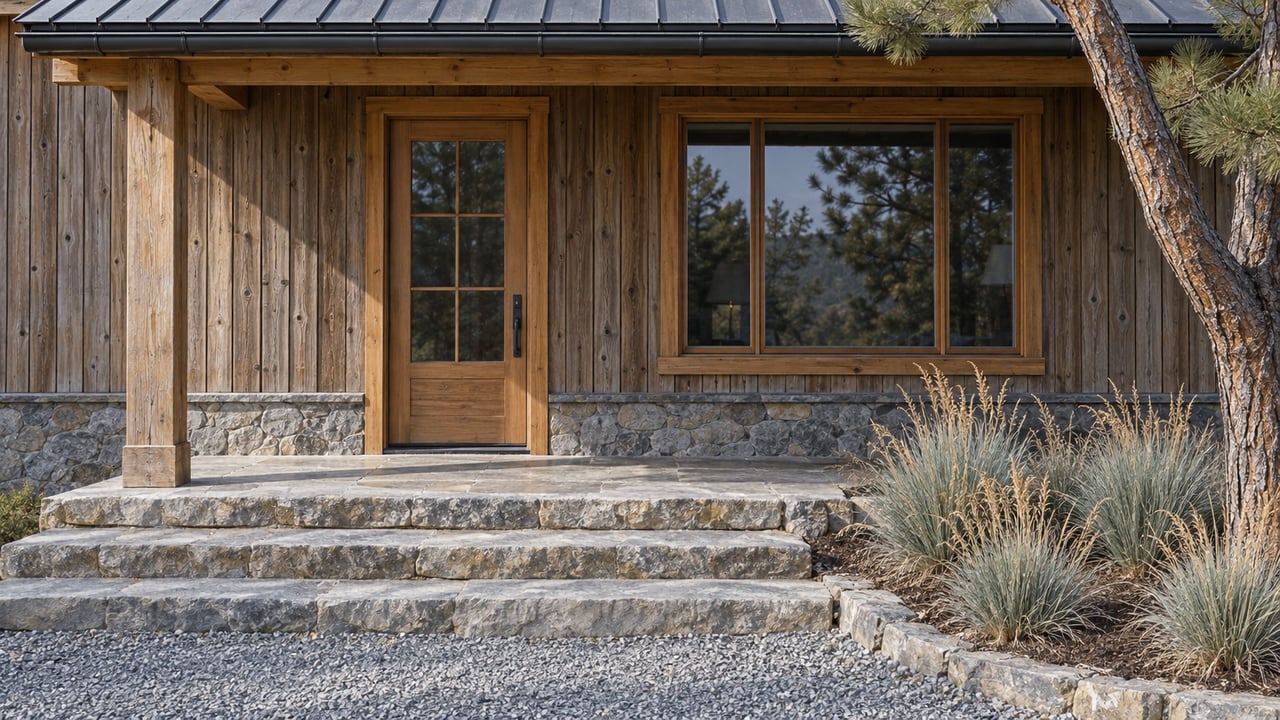
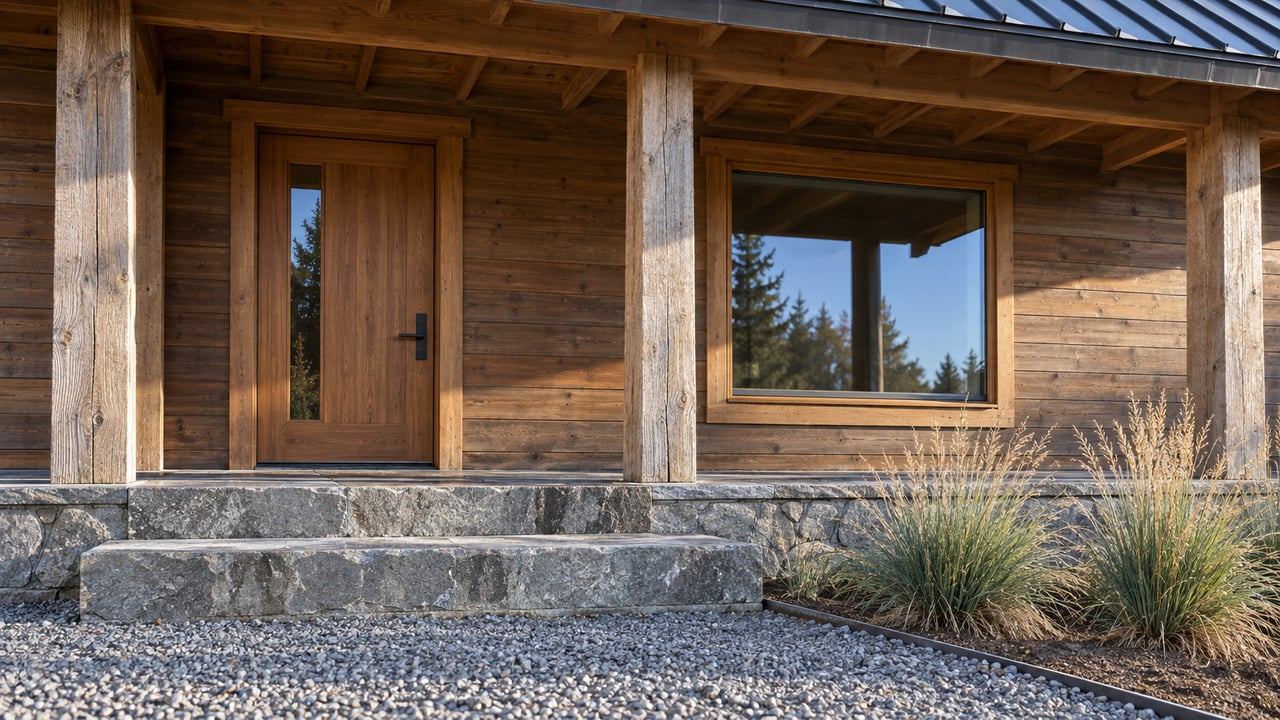
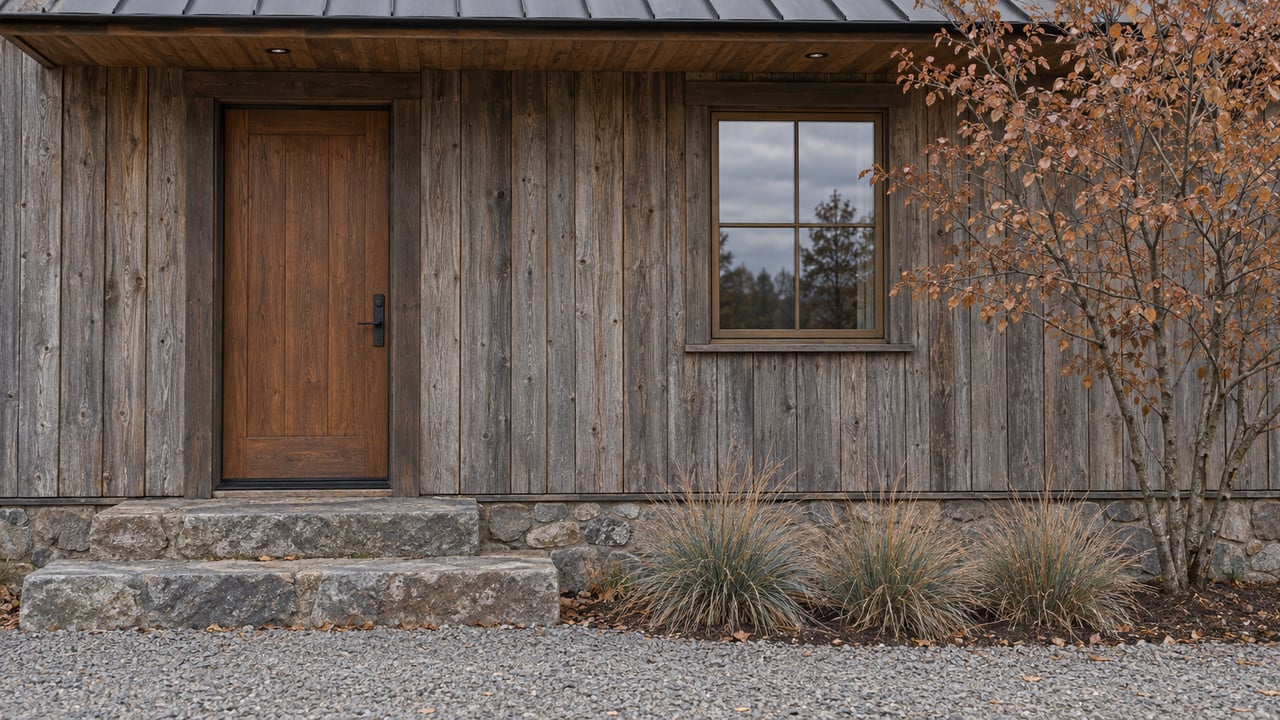
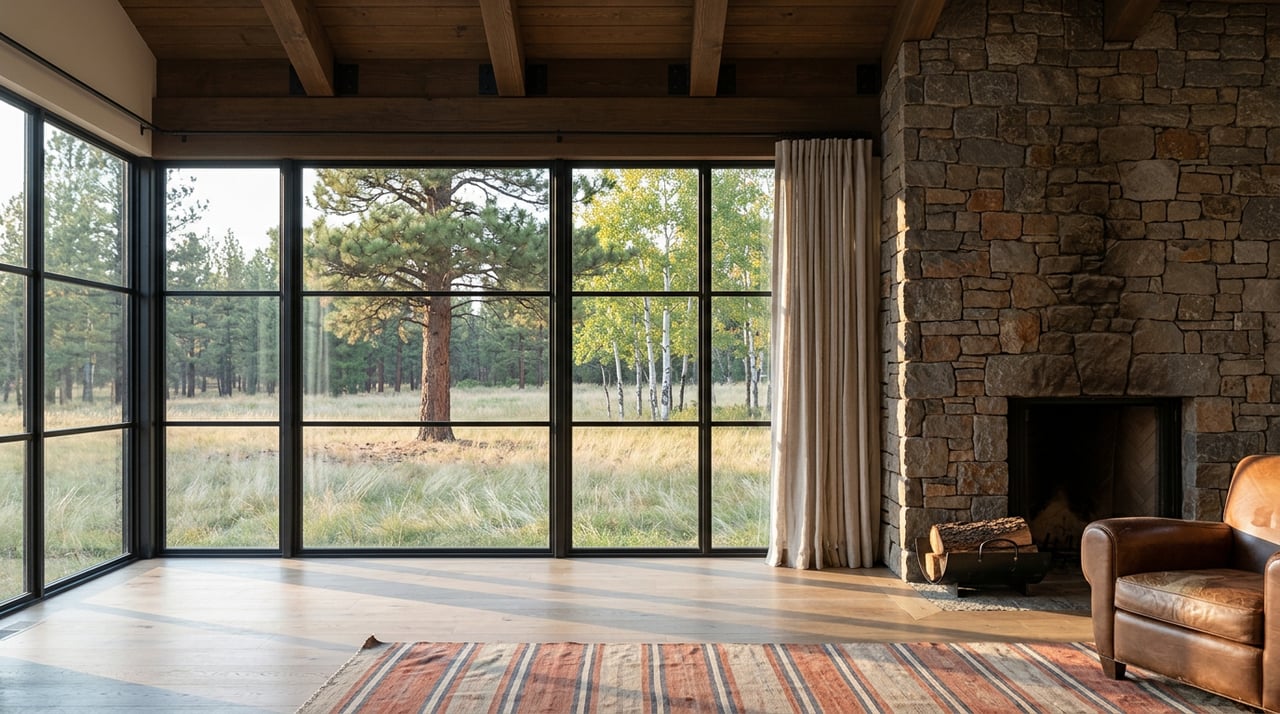
If you’re picturing a small ranch near Hamilton with room for horses, hay, and big sky views, you’re not alone. Buying acreage in the Bitterroot Valley is exciting, but the details can make or break your plans. The good news: with a clear checklist and the right local contacts, you can spot risks early and move forward with confidence. This guide gives you the essentials on water, septic, access, hazards, and permits so you can make a strong offer on the right property. Let’s dive in.
Water rights come first
Water is the single biggest technical factor when you buy a small ranch near Hamilton. Montana follows prior appropriation, which means priority dates and documented water rights control who can use how much water and when. Start by confirming whether the parcel has valid water rights, surface irrigation, or only a domestic well. Use the DNRC’s water rights resources to understand priority dates, points of diversion, places of use, and volume limits. You want the actual DNRC abstract tied to the parcel, not just a verbal assurance or a real estate flyer. Review the DNRC overview of water rights.
If the listing mentions ditch water, confirm delivery. Ask for copies of ditch company or irrigation district share certificates, a recent assessment ledger, and contact info for the ditch rider. Walk the delivery infrastructure if possible. Look for working headgates, culverts, or siphons that physically bring water to the field. Senior surface rights and active shares are what keep fields green in low flow years.
Wells, yield, and water quality
A well log alone does not create a water right. Use MBMG’s GWIC to find the well log and confirm depth, static water level, and construction details. As part of your due diligence, order a professional yield test and lab sampling for nitrates, coliform, and, if locally relevant, arsenic. For new or higher capacity wells, ask whether a DNRC water use permit could be required before drilling or use. Build timelines around testing seasons and lab turnaround.
Septic permits and site evaluations
Before you love the view, confirm the septic will support what you want to build. Ravalli County requires site evaluations and, in some cases, seasonal groundwater monitoring and a non-degradation (nitrate) analysis before permitting new systems or increasing bedroom counts. If the property sits near mapped floodplain, septic siting can be more constrained. Ask for the existing permit and as-builts, and plan a county site evaluation early if records are missing. Check Ravalli County septic permitting guidance.
Access, easements, and roads
Legal, year-round access matters for daily life, financing, and insurance. Confirm whether access is via a public county road, a recorded private easement, or a shared driveway. For private roads, get a signed road maintenance agreement. Ask about winter plowing and any seasonal closures. Pull recorded easements for irrigation, utilities, and rights of way so you know where improvements can go and what areas need to stay open.
Floodplain, wetlands, and stream work
Many parcels in the valley include river benches, sloughs, or side channels. Ask the county for a floodplain determination and check FEMA maps before you plan structures or fill. In subdivision contexts, wetlands require professional delineation and a no-build buffer. If you expect to alter a natural, perennial stream or repair a headgate or bank, a local 310 permit process applies with on-site review and set timelines. Plan for extra lead time if your project is close to water. For the governing subdivision standards on floodplain and irrigation easements, review the county regulations.
Wildfire exposure and weed management
Ravalli County sits in a fire-adapted landscape, and many rural homes are in the wildland-urban interface. Review the county’s updated Community Wildfire Protection Plan, which maps priority treatment areas and lists partners and programs that can help with fuels reduction. Create defensible space and plan for home hardening as part of your budget. Insurers often review wildfire risk and access before binding a policy. See the Ravalli County CWPP.
Noxious weeds also carry time and cost. Ask the Ravalli County Weed District about the parcel’s weed status and any required management plans. Your grazing or restoration goals will benefit from an early, realistic control plan.
Ag classification and property taxes
If you plan to graze or hay, understand Montana’s agricultural classification. Parcels under 160 acres have to meet use, income, or grazing-capacity thresholds to qualify. The classification can affect property taxes for the land and the valuation of the 1-acre homesite. The application deadline is March 1 for the current tax year. Build these timelines into your ownership and budgeting plans.
Improvements, utilities, and value drivers
Value in small ranches near Hamilton tends to follow irrigated acres, the seniority of water rights, functional improvements like corrals and handling facilities, and proximity to town and public lands. Conservation easements can protect working land and wildlife habitat while limiting future development. On the utility side, confirm power availability, transformer location, and potential extension costs. Check fiber or fixed wireless options early if you plan to work from the ranch.
First 10 questions to ask
- What DNRC water right numbers and priority dates serve this parcel, and do they match the legal description?
- Does the property include ditch-company or irrigation-district shares, and who delivers the water?
- Is the irrigation delivery infrastructure in working order, and is the headgate located on the parcel or off site?
- What is the well’s GWIC ID, tested yield, and most recent water quality report?
- Is there a permitted septic system, and will the county allow my planned bedroom count or new dwelling?
- Is access public or private, and is there a recorded road maintenance agreement for winter plowing?
- Is any part of the parcel in a mapped FEMA floodplain or a delineated wetland area?
- Will any planned bank work, culvert, or headgate repair trigger a 310 permit review?
- Does the parcel sit in the WUI, and what wildfire mitigation or insurance considerations apply?
- Does the property qualify for ag classification, and what documentation is needed for an AB-3 application?
A practical path from offer to closing
Before you write an offer
- Request the deed, legal description, geocode, well log, septic permit, and any ditch share certificates from the seller.
- Run a DNRC water-rights query by geocode and review abstracts for source, diversion, place of use, and volume limits.
- Ask the county about floodplain status and the subdivision history for the parcel.
- Order a title commitment that flags ditch shares, easements, rights of way, and any conservation encumbrances.
During due diligence
- Schedule a well inspection and yield test, plus lab sampling for nitrates and coliform. Verify the well in GWIC.
- Add a septic verification or new permit contingency, including a county site evaluation and non-degradation testing if required.
- Confirm irrigation delivery in writing with the ditch company or district, and inspect headgates and ditches.
- If near streams or wetlands, plan a survey and wetland delineation so your building envelope stays compliant.
- Review wildfire risk maps, talk to the local fire district, and request an insurance quote early.
Local contacts and tools
- DNRC Water-Right Query System user guide for parcel-level searches: Water Right Query System User Guide
- MBMG GWIC well logs and groundwater data: GWIC guide
- Ravalli County Subdivision Regulations, including irrigation easements and wetland buffers: Subdivision Regulations
- Daly Ditches for local irrigation history and contact context: Daly Ditches history
- Bitterroot Conservation District for 310 permits and local conservation coordination: Bitterroot Conservation District
- Ravalli County Weed District for mapping and management plans: Weed District resources
- Montana Department of Revenue AB-3 agricultural classification application: AB-3 application
Work with a local ranch guide
Buying acreage near Hamilton rewards early, detailed homework. The right agent will help you confirm water rights, coordinate with ditch companies and county staff, and line up inspections so you can write a clean, confident offer. If you want a steady hand to move from big-sky idea to closed ranch, reach out to Blayne Larson for locally grounded, white-glove guidance.
FAQs
How do I confirm irrigation shares on a Hamilton-area parcel?
- Ask for ditch-company share certificates and recent assessments, then contact the ditch company to confirm delivery and shares; verify DNRC water-right abstracts by geocode and match place of use to the deed.
Does a Montana well log mean I have a water right?
- No; a well log documents construction but does not create a water right, so review DNRC records for any existing right and check if a permit is needed for new or higher capacity use.
What approvals do I need to add a home or expand bedrooms?
- Ravalli County may require a site evaluation, groundwater monitoring, and non-degradation testing before issuing septic permits for new dwellings or increased bedrooms, so build time for county review.
When is a 310 permit required in Ravalli County?
- If you will alter a natural, perennial stream or work on banks or headgates, the 310 process applies through the local conservation district, which includes on-site review and a set decision timeline.
How does wildfire risk affect rural property near Hamilton?
- Properties in the WUI often need defensible space and home hardening, and insurers may factor access and vegetation into coverage decisions; consult the county CWPP and get quotes early.