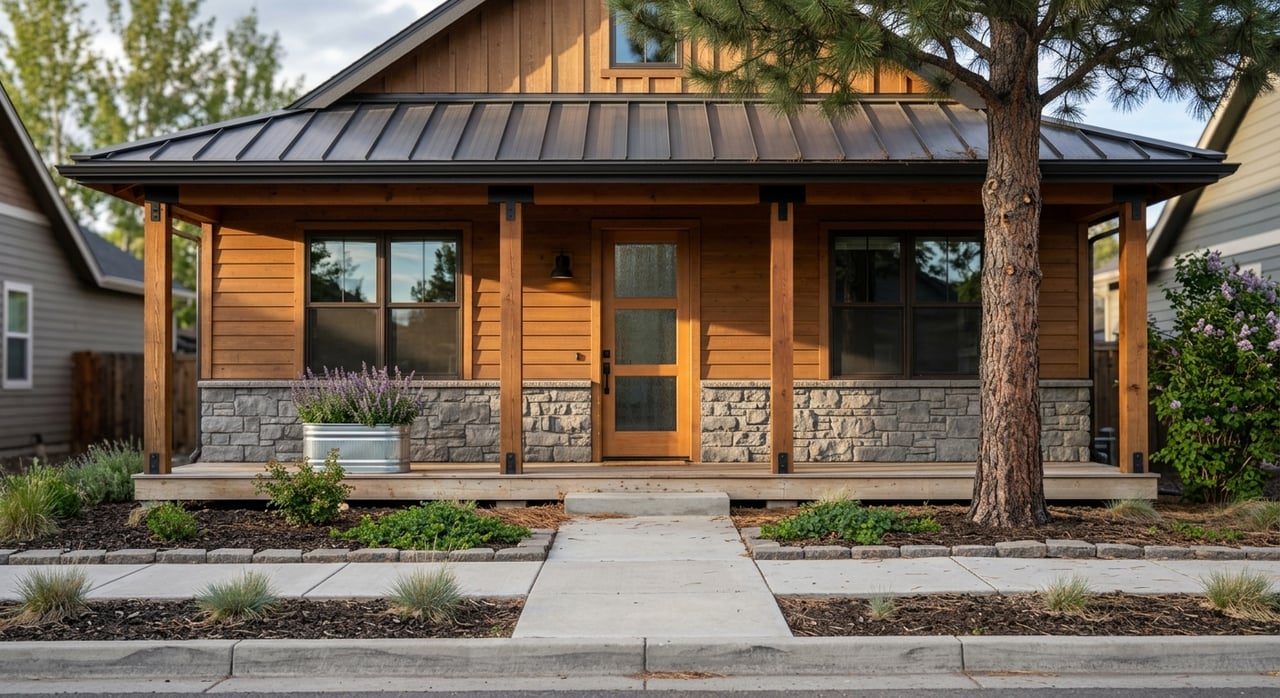
Wondering whether life in Hamilton should look more like a house near city services or a place with room to spread out in the Bitterroot Valley? It is a common fork in the road for buyers here, especially if you are balancing convenience, privacy, and how hands-on you want to be as an owner. The good news is that both options can work well, but they ask for very different day-to-day rhythms. Let’s break down what changes when you choose Hamilton in-town living versus Bitterroot acreage.
Hamilton In-Town Living Basics
If you buy in Hamilton, you are usually choosing a more service-backed ownership experience. The city’s Public Works Department handles core infrastructure like streets and sidewalks, wastewater treatment and collection, water treatment and distribution, and broader facilities planning.
That support shapes daily life more than many buyers expect. Hamilton’s water system serves city residents and a limited number of properties southeast of city limits, and the city says the system includes groundwater wells, storage, booster pumps, pipes, hydrants, and a 1-million-gallon reservoir. In practical terms, that means your water and sewer setup is generally part of a city-managed system rather than something you monitor yourself.
What In-Town Convenience Looks Like
One of the biggest benefits of living in town is predictability. Hamilton maintains about 28 miles of streets and 8.5 miles of alleys, and city crews handle tasks like street sweeping, grading alleys and shoulders, snow plowing, line painting, signage, and pothole patching.
That matters in every season. The city also does spring and fall cleanup, including leaf and branch pickup, while snow clearing is shared by city crews and city property owners. Compared with a rural property, that usually means fewer moving parts for you to coordinate.
Parks and Public Space in Hamilton
In-town living also comes with easier access to maintained public spaces. Hamilton’s Parks, Cemetery & Urban Forestry Department manages ten city parks, including baseball fields and a skatepark, and handles mowing, trimming, litter removal, tree pruning, planting, and hazardous-tree removal.
For many buyers, that creates a simpler balance. You can still enjoy outdoor space, but you are not necessarily taking on the upkeep that comes with multiple acres of land. If you want a primary home or second home with a lower-touch feel, that difference is worth paying attention to.
Planning and Utility Considerations
Town living can also be easier to navigate when you value structure. Hamilton’s Utility Billing Office is housed at City Hall, Public Works handles new water or sewer line connections and permits, and the Planning Department administers zoning, building, subdivision, and environmental regulations.
That said, you should never assume a parcel works the way a nearby parcel does. Hamilton updated its zoning code on January 20, 2026, and the update took effect on February 19, 2026. If you are comparing homes, duplex potential, additions, or other future plans, parcel-specific verification matters.
Bitterroot Acreage Basics
If you choose acreage outside Hamilton, you are usually choosing more room and more independence. You may get a stronger sense of separation, more privacy, and a property that feels more like a retreat or a long-term stewardship asset.
But acreage also shifts more responsibility onto you. Outside town, ownership often includes private systems, private access considerations, and land-management tasks that the city would otherwise handle. That is the real tradeoff behind the extra elbow room.
Septic Is a Major Acreage Issue
For many acreage properties, septic is one of the first things to review. Ravalli County requires septic permits for new, replacement, or altered on-site wastewater systems, recommends a Certificate of Compliance before buying or selling, and notes that septic tanks should generally be pumped every three to five years.
System sizing also matters. The county says septic system size depends on the number of bedrooms, and system type and location depend on site-specific conditions like soil type, setbacks to open water, groundwater conditions, and lot size. If you are buying acreage, this is not background paperwork. It is part of your core due diligence.
Private Wells Change the Ownership Equation
Water is another big difference on acreage. With a private well, the homeowner is responsible for the system and for checking water quality and performance.
That means your pre-purchase review should go beyond whether water is present. Testing and understanding the well are part of normal due diligence when you are evaluating rural property. In contrast, buyers in Hamilton often do not need to take on that same level of water-system oversight because city utilities cover it.
Road Access May Be Shared
Road maintenance is another area where rural ownership can be more involved. Ravalli County subdivision regulations require roadway maintenance agreements for roadways and common driveways in subdivisions.
Those agreements must identify the parcels involved, bind the affected owners, and state that maintenance decisions are made by landowners based on a majority vote. That is a very different setup from living in Hamilton, where the city maintains streets and alleys. If access is private, you will want to understand not just the road itself, but also how decisions and costs are handled.
Land Stewardship Takes Ongoing Attention
Acreage can be rewarding, but it usually asks more of you over time. Ravalli County’s Weed District notes that noxious weeds can damage crops, wildlife habitat, recreational sites, land values, and livestock, and the county offers help with identification and control.
Seasonal burning rules also matter. The county runs a burn-permit program, permits must be obtained or renewed, burned days must be activated daily, the county administers the process from March 1 through November 30, and outdoor burning can be restricted or closed when fire danger is high. If you want acreage, these are not rare issues. They are part of normal ownership.
Comparing Lifestyle Fit
The simplest way to think about this decision is convenience versus stewardship. Hamilton in-town living is usually better for buyers who want city water and sewer, maintained streets, public parks, and a more predictable routine.
Bitterroot acreage is usually better for buyers who want more space, more autonomy, and a stronger sense of privacy, and who are comfortable managing or hiring out more of the work. Neither option is better in every case. The right fit depends on how you want your home to function in daily life.
Best Fit for a Primary Home
If this will be your main residence, your schedule matters. Buyers who want a simpler weekly routine often lean toward Hamilton because many core services are built in and some maintenance demands are reduced.
If you enjoy being hands-on and want room for a more rural lifestyle, acreage can make more sense. Just be honest with yourself about how much time and energy you want to commit to private systems, access, and land upkeep.
Best Fit for a Second Home
For second-home buyers, the decision often comes down to how often you will be on site. A place in Hamilton can be the easier option if you want a more lock-and-leave setup with less ongoing property management.
Acreage can deliver the retreat feel many Montana buyers want, but it usually comes with more systems and seasonal tasks to monitor. If you live out of state or split time between homes, that ownership style deserves a close look before you commit.
Acreage Due Diligence Checklist
If you are leaning rural, keep your review practical and local. A solid acreage checklist in the Bitterroot Valley includes:
- Confirm septic permit status
- Ask whether a Certificate of Compliance is available
- Verify how many bedrooms the septic system was sized for
- Ask when the septic tank was last pumped
- Test and review the private well
- Review any road-maintenance agreement or HOA documents
- Ask about noxious-weed management
- Check current burn-permit and fire-restriction rules
For in-town Hamilton homes, you still want inspections and parcel-specific zoning review. But many of the private-system checks common with acreage may not apply in the same way.
The Bottom Line for Hamilton Buyers
In Hamilton, the real choice is not just house versus land. It is also city-supported convenience versus a more self-managed ownership experience. Town often gives you simpler systems and less land-management overhead, while Bitterroot acreage gives you space, privacy, and more control, along with more responsibility.
That is where local guidance matters. If you are weighing the tradeoffs, it helps to talk through how you will actually use the property, how often you will be there, and how much stewardship you want to take on. If you want help sorting through Hamilton in-town options or Bitterroot acreage opportunities, connect with Blayne Larson for a thoughtful, locally grounded conversation.
FAQs
What is the main difference between Hamilton in-town living and Bitterroot acreage?
- Hamilton in-town living usually offers city utilities, maintained streets, and a more predictable ownership experience, while Bitterroot acreage usually offers more space and privacy with more owner-managed systems and land care.
What utilities should buyers expect with a Hamilton in-town home?
- Hamilton in-town homes are typically tied to city-managed water and wastewater systems, with utility billing and connection processes handled through city departments.
What septic checks should buyers make on Bitterroot acreage?
- Buyers should confirm septic permit status, ask about a Certificate of Compliance, verify how many bedrooms the system was sized for, and ask when the tank was last pumped.
What road issues should buyers review on acreage near Hamilton?
- Buyers should review whether access is tied to a roadway maintenance agreement or common driveway agreement and understand how upkeep decisions and costs are shared among owners.
Is Hamilton or Bitterroot acreage better for a second home?
- Hamilton is often the lower-touch option for second-home buyers, while acreage can offer a stronger retreat feel but usually requires more monitoring and maintenance.
What land-management tasks come with Bitterroot acreage ownership?
- Common tasks can include septic service, well oversight, private road upkeep, noxious-weed management, and following county burn-permit and fire-restriction rules.