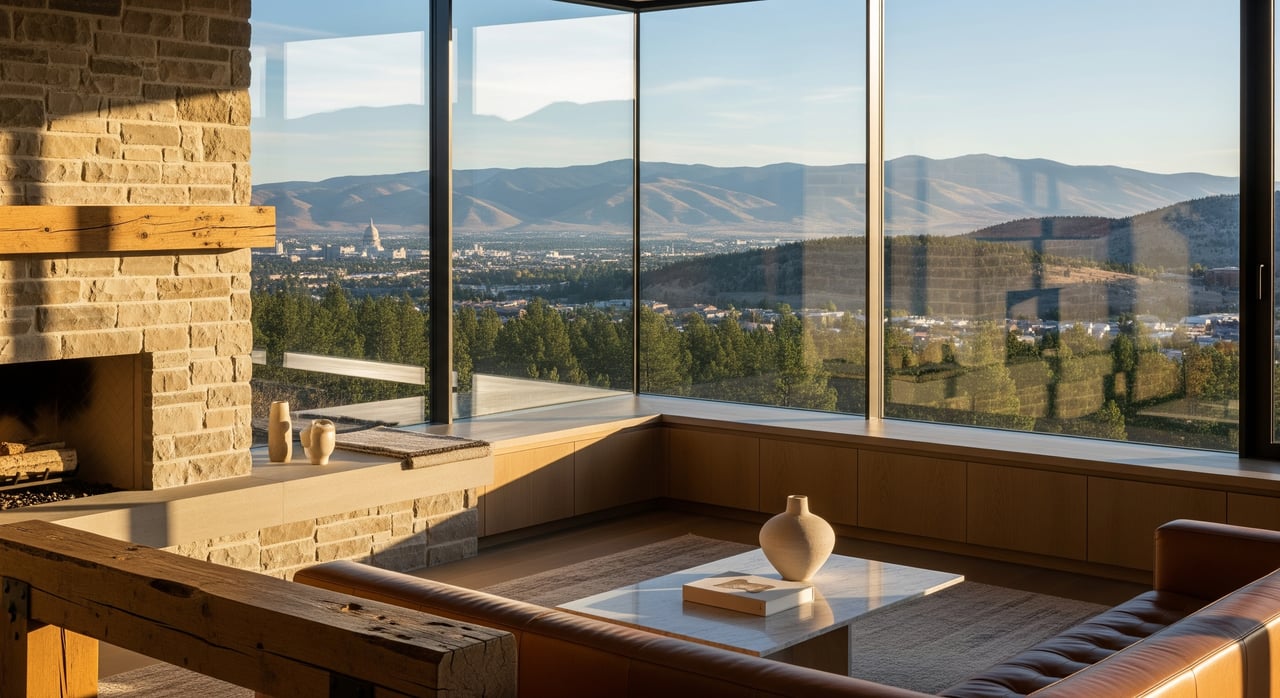
Thinking about moving to Montana’s capital? Helena blends small-city convenience with quick access to trails, lakes, and public lands. You want a clear picture of neighborhoods, commute patterns, and everyday life before you choose a home. In this guide, you will see how different areas feel, what commutes look like through the seasons, and what to expect for schools, healthcare, and costs. You will also get a simple checklist to plan your move with confidence. Let’s dive in.
Why Helena appeals
Helena is the state capital and the county seat of Lewis and Clark County. State government, healthcare, education, and local services provide a steady employment base and a lively daytime core. Daily needs are close at hand, and outdoor options start right at the edge of town.
You get four true seasons. Winters are cold and snowy, summers are warm, and recreation runs year-round. The city sits in a valley with nearby hills and national forest access, so trailheads, river access, and scenic drives are easy to reach.
Neighborhoods at a glance
Each Helena area offers a different balance of character, yard space, and commute convenience. Here is a practical overview to help you narrow your search.
Downtown and Last Chance Gulch
Downtown is Helena’s historic heart with walkable streets, local shops, restaurants, and civic buildings. You will find older single-family homes, townhouses, condos, and some in-fill apartments.
Choose this area if you value walkability and character. It suits professionals, students, and anyone who wants to be close to events and services. Larger lots are limited, so weigh yard space against convenience.
Cathedral District and North of Downtown
North of downtown, you will see quiet, established blocks with mature trees and historic homes. Some streets sit close to Carroll College and downtown amenities.
Expect a mix of larger historic houses and smaller cottages with slower turnover. It is a good fit if you want an established setting and proximity to schools and colleges.
South Hills and West Helena
The hills south and west of the core feel more suburban and residential. Many pockets have newer construction and elevated views over the valley.
Look here for single-family homes, larger yards, and trail access in the foothills. If you prefer newer builds or a suburban layout, this area is a strong candidate.
Helena Valley and East Helena
The valley floor offers flatter terrain, shopping centers, schools, and newer subdivisions. East Helena is a neighboring small city with its own services and an industrial history, so confirm jurisdiction and utilities as you search.
You will find suburban single-family homes and some acreage on the valley edge. Commutes are straightforward with easier access to main roads.
Rural and outlying properties
Outside city limits, the county holds rural acreage, mountain lots, and recreational parcels. Utilities and road maintenance vary, and internet or cell coverage can change address by address.
If you want privacy, hobby farming, or a second home near outdoor access, this is where to look. Plan for longer drives and confirm road and winter maintenance responsibilities.
Getting around and commutes
Interstate 15 runs north to south near Helena, with U.S. routes such as US 12 and US 287 connecting nearby towns. Most trips concentrate toward downtown and government centers during the workweek.
Commute times are generally short to moderate compared with larger metros, but winter weather can slow travel. Many residents use winter tires and plan for snow events. Local transit offers fixed routes and paratransit on a limited scale, and the Helena Regional Airport provides commercial connections for regional travel.
Walkability is strongest in downtown and adjacent neighborhoods. Suburban and rural areas are more car dependent. Biking and walking are popular around parks, neighborhood streets, and trail networks near Mount Helena.
Lifestyle and amenities
Education
Helena School District No. 1 serves the city, with well-known high schools and elementary options. Check attendance zones and enrollment details directly with the district when you evaluate a specific address.
Carroll College and Helena College offer local higher education. Their presence adds to cultural events, lectures, and community programs.
Healthcare
Helena hosts a regional hospital and multiple specialty clinics for routine care and emergencies. If healthcare access is a priority, note distance and travel times from your target neighborhood.
Shopping and services
Daily needs are covered in the city and valley, with grocery stores, retail corridors, and small local businesses. Government offices and professional services cluster downtown and in county complexes.
Recreation and culture
You can hike or bike right from town on the Mount Helena City Park network. National forest trailheads, rivers, and lakes are nearby for year-round recreation. Expect local theater, galleries, festivals, and community events throughout the year.
Safety and services
City and county agencies provide police, fire, and emergency medical services. For any property, review local resources and public reports to understand current services and response areas.
Housing costs and practical factors
Market basics
Helena’s market has seen strong statewide appreciation in recent years with periods of stabilization. Inventory, days on market, and pricing vary by neighborhood and season. Check current MLS data or local association reports when you are ready to act.
If you are weighing renting versus buying, compare current rental availability and terms with your mortgage options. Short supply in some segments can affect timing and negotiation.
Taxes and ongoing costs
Montana has no statewide sales tax, which shapes everyday spending. Property taxes vary by county, district, and assessed value. Use Lewis and Clark County assessor resources to estimate your bill for any address you consider.
Montana has a state income tax. If you are moving from out of state, review filing rules and timelines in advance to avoid surprises.
Utilities and home systems
Winters require reliable heating. Common fuels include natural gas, electricity, and propane. Ask for recent utility bills and confirm the age and condition of the heating system and insulation.
Outside city limits, verify well and septic details, road maintenance, and access. Internet and cell coverage can vary widely in rural areas, so check provider options and speeds by address.
Timing your move
Many buyers prefer late spring through early fall for easier logistics. Winter moves are doable with planning. Confirm snow removal for driveways and private roads, line up movers early, and schedule utility connections ahead of time.
Relocation checklist
Use this simple checklist to organize your move.
Before house hunting
- Test-drive commutes from short-listed neighborhoods at your typical hours.
- Confirm school attendance zones and enrollment steps for specific addresses.
- Check internet providers and speeds by address, especially in rural areas.
- Review county property tax estimates and any special district assessments.
During purchase or lease
- Order a home inspection with Montana-specific items: roof condition, snow-shed design, insulation, heating system, foundation, and freeze protection.
- For rural property, verify well and septic, road maintenance, snow removal, and deeded access.
- If moving from out of state, plan for DMV updates, vehicle registration, and state tax differences.
After arrival
- Set up utilities and waste services with the City or County.
- Register to vote and update your address.
- Join local groups, neighborhood associations, and recreation programs to meet your community.
How we can help
Relocating to Helena is smoother with a local guide who knows western Montana’s neighborhoods, seasons, and land. Stockman’s Land offers buyer and seller representation, relocation assistance, valuations, and expertise across residential, land, and ranch properties. We pair white-glove service with down-to-earth advice so you can move with clarity and confidence.
Ready to explore neighborhoods, fine-tune your commute, and find the right fit? Connect with Blayne Larson to schedule a free consultation.
FAQs
What should I know about winter commuting in Helena?
- Plan for snow and cold. Many residents use winter tires, watch road reports, and allow extra time during storms, especially if you live in the hills or out in the valley.
Which Helena neighborhoods are most walkable for daily needs?
- Downtown and the streets around Last Chance Gulch offer the strongest walkability, with shops, restaurants, and services close together in the historic core.
How are K–12 schools organized in Helena?
- Helena School District No. 1 serves the city. Always verify attendance zones, enrollment steps, and transportation options for any specific address.
What taxes and fees should I plan for in Lewis and Clark County?
- Montana has no statewide sales tax. Property taxes vary by district and assessed value, and the state has an income tax, so review county and state guidance before closing.
Can I find acreage or rural homes near Helena?
- Yes. The county offers rural parcels and mountain lots. Confirm utilities, internet, road maintenance, and winter access before you commit.